
About Matiss Kalans
I help humans who do things—leaders, entrepreneurs, creators—deconstruct the invisible cages we've inherited and return to what actually matters: genuine connection.
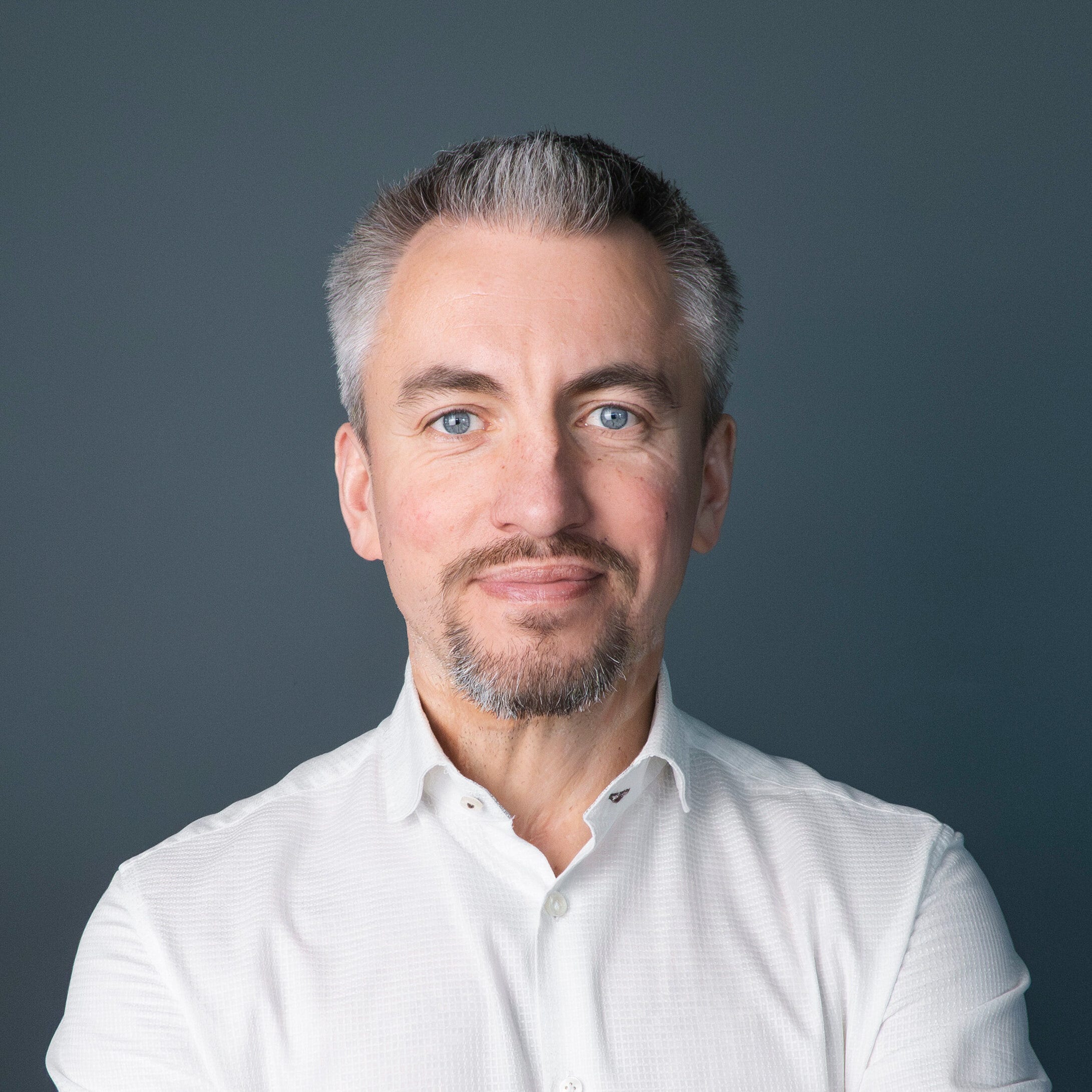
The Bridge Between Worlds
I was born in 1979 in Soviet Latvia. At six months old, I suffered severe burns and was separated from my mother for two weeks. I learned “unsafe” and “disconnection” at a cellular level—long before I had words for it.
I was raised by a single mother who carried the weight of post-war trauma. She was the youngest of eight siblings, born in 1954 into a fractured family - four siblings from one father who disappeared during the war, four from another who was absent. She grew up in a harsh environment, feeling abandoned by her father and her older siblings. My own father later deepened that wound. I inherited this “code program”- raised to be the “Anti-Father,” good and successful, to finally heal what had been broken across generations. I became a 2x Latvian Tennis Champion. I learned discipline. I learned “no pain, no gain.” I learned to run on fear disguised as ambition.
Then, at 18, everything shifted.
I got a tennis scholarship to Northwood University in the United States. For nearly five years, I lived inside the American system—playing tennis, studying, coaching at Saddlebrook Resort in Florida during breaks. I experienced the optimism, the “you can be anything” mentality, the radical individualism that was the complete opposite of my Soviet childhood.
It was a revelation. And a disorientation.
When I returned to Latvia, I did what I was programmed to do: I succeeded. By age 27, I was VP of Swedbank. I had the suit, the title, the mask of success. And I was spiritually empty.
I tried to escape through alcohol. Through “spiritual bypassing.” Through the illusion that I could think my way out of what I was feeling.
It didn’t work.
Eventually, I had to deconstruct everything. I left banking. I went through two divorces. I spent years in therapy, spiritual work, and brutal self-reflection, trying to understand the invisible “operating system” running my life—and the lives of everyone around me.
What I Learned
The hard truth: We can’t think our way out of complexity. We can only feel our way through it.
The diagnosis: Business is 20% strategy, 80% psychology. If you don’t fix the human operating system, the strategy is worthless.
The revelation: How you act with your partner is exactly how you lead your team. You cannot separate the two. The micro is the macro.
I discovered that I wasn’t just carrying my own trauma—I was carrying the trauma of an entire culture. The Soviet occupation didn’t just destroy our land; it destroyed the nuclear family, broke the masculine, exhausted the feminine, and left generations of us running on survival code we didn’t even know we had.
And here’s what living in both worlds taught me: The American system has its own cage. The relentless optimization, the toxic positivity, the “hustle culture” that masks the same terror we hide in post-Soviet silence.
I realized I had a unique gift: I could see beyond both systems. I speak English, Russian, and Latvian—but more than that, I speak culture. I feel both the Russian and American worldviews in my bones. And from that bridge, I can help people see what they can’t see from inside their own cage.
The Laboratory
Today, I am a father of five in a blended family of eleven children. My wife is my partner in life and in this work—she’s the mother of six sons, and together we navigate the chaos of past relationships, a tribe of kids, and the constant effort to heal the rift between masculine and feminine.
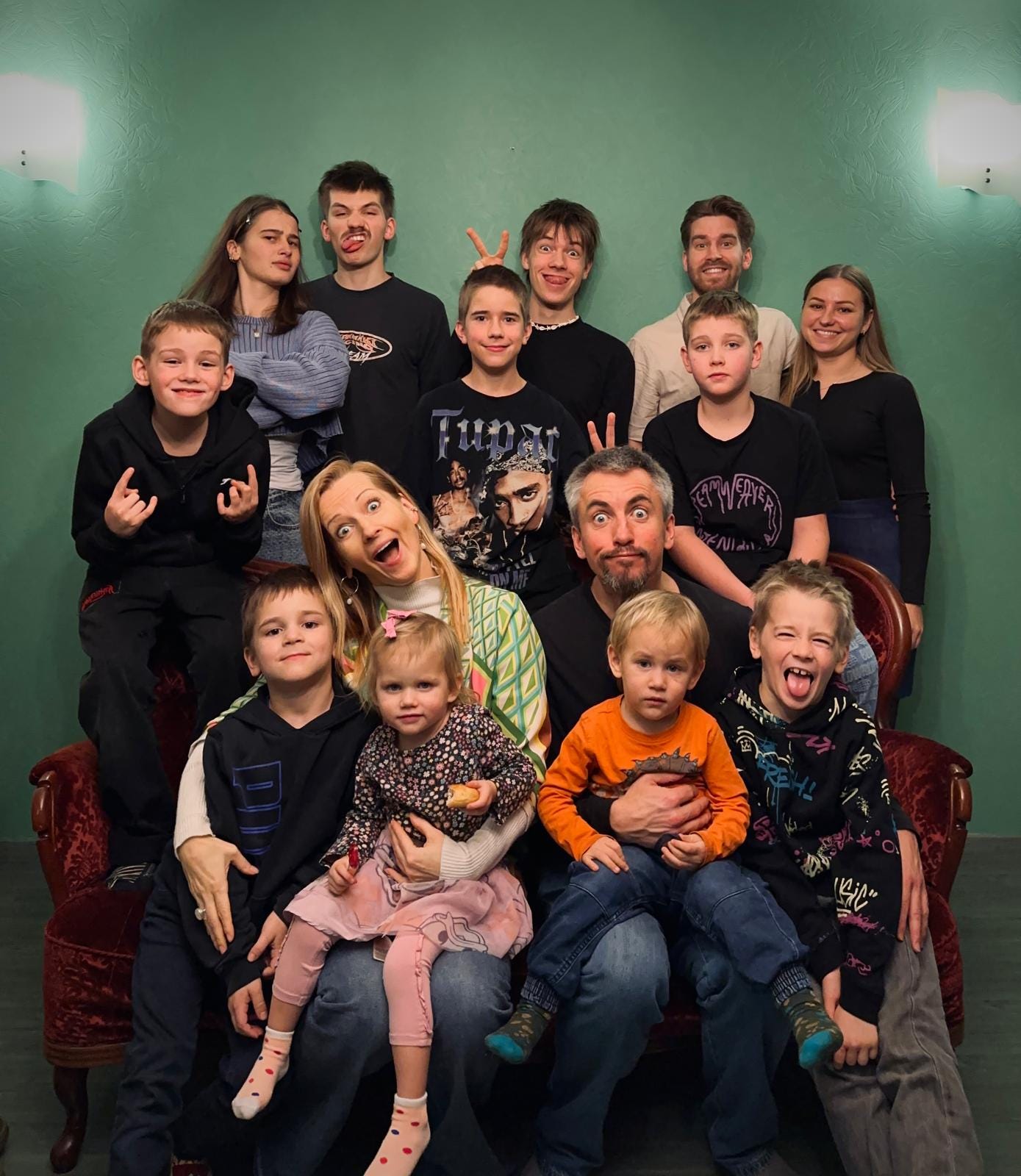
My family is my Laboratory for Practical Spirituality.
If a theory doesn’t work in the chaos of dinner with eleven kids, I won’t teach it in a boardroom.
The Work
For the last seven years, I’ve brought this understanding into organizations across Latvia and Europe.
Companies hire me to fix “collaboration” or “strategy.” They expect frameworks and KPIs.
I tell them the uncomfortable truth: Your tools don’t matter if your people are running on a broken operating system.
I work with:
Organizations and teams to identify the hidden psychological programs sabotaging their growth
Individuals and couples (together with my wife) to uncover ancestral programming and build relationships that are authentic, balanced, and free from inherited scripts
This newsletter is where I explore these patterns in depth—the invisible cages we inherit, the cultural operating systems that run beneath our awareness, and the path back to genuine connection.
What You’ll Find Here
Every Tuesday, I publish an article that weaves together:
Personal stories from my journey (Soviet childhood, American awakening, corporate unraveling, family laboratory)
Psychological insights about why we do what we do
Practical frameworks for deconstructing complexity and returning to fundamentals
I don’t write “5 steps to success.” I write about the messy, uncomfortable truth of being human in a world that teaches us to hide behind masks.
My work is for humans who are tired of pretending. Who sense there’s something broken in how we’re doing business, relationships, and life—and who are ready to do the hard work of healing the operating system itself.
Let’s Connect
If this resonates, subscribe and join the conversation.
If you’re a leader who senses your organization is running on old code—or if you and your partner are ready to build something genuinely different—let’s talk.
I am serious about the deep things—joy, connection, life itself. But I refuse to be overly serious about the trivial things. Business is just one arena where we practice being human. Let’s practice well.
